
Popular Wood Types Used for Deck and Porch Construction
People searching for deck and porch construction often want durable, attractive wood options, and local contractors can help select and install the best materials for their project.
If you're considering building or updating a deck or porch, understanding the popular wood types used for these structures can make a significant difference in the final result. Property owners in the area often explore this topic to ensure their outdoor spaces are both durable and visually appealing, especially given the diverse weather conditions and aesthetic preferences. Knowing the characteristics of different woods helps in selecting materials that will stand up over time and complement the style of the home, making it easier to find local contractors who specialize in working with these materials.
Exploring the various wood options available for deck and porch construction can also guide property owners in making practical choices that balance longevity and appearance. Local service providers are experienced in working with a range of popular wood types, ensuring that the chosen material fits the specific needs of each project. Whether seeking a low-maintenance solution or a natural look, understanding these wood types can help property owners communicate their preferences clearly and connect with the right local experts to bring their outdoor vision to life.
- Deck construction - homeowners planning to build or update a deck often seek local pros to select durable wood types suited for outdoor exposure.
- Porch renovation - those upgrading or repairing porches may rely on local contractors to recommend popular wood options that withstand weather and foot traffic.
- Custom deck design - individuals designing personalized outdoor spaces look to service providers for guidance on the best wood types for aesthetics and longevity.
- Deck replacement - property owners replacing aging decks often contact local pros to determine suitable wood choices that match their style and environmental conditions.
- Porch addition - those adding new porches consult with local contractors to choose wood types that complement existing structures and resist outdoor elements.
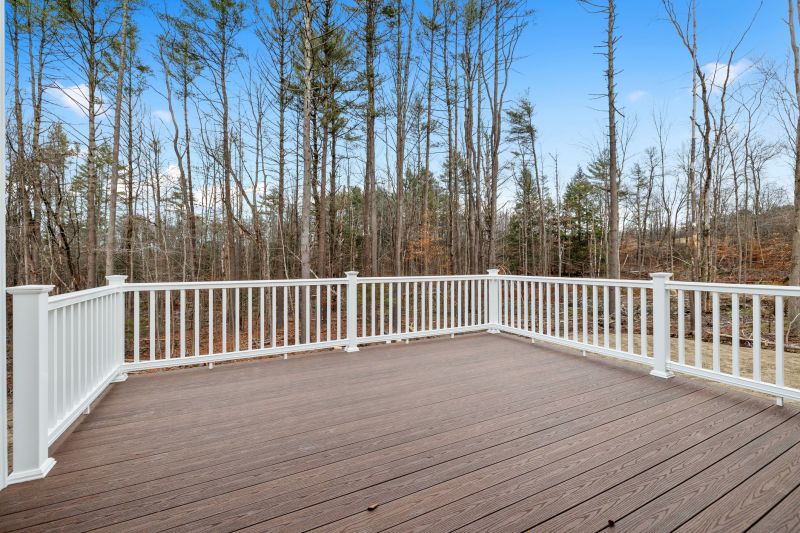
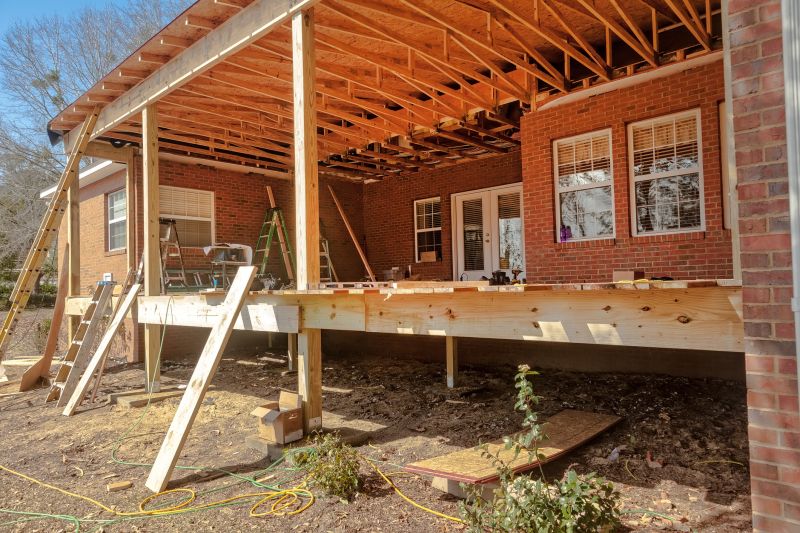
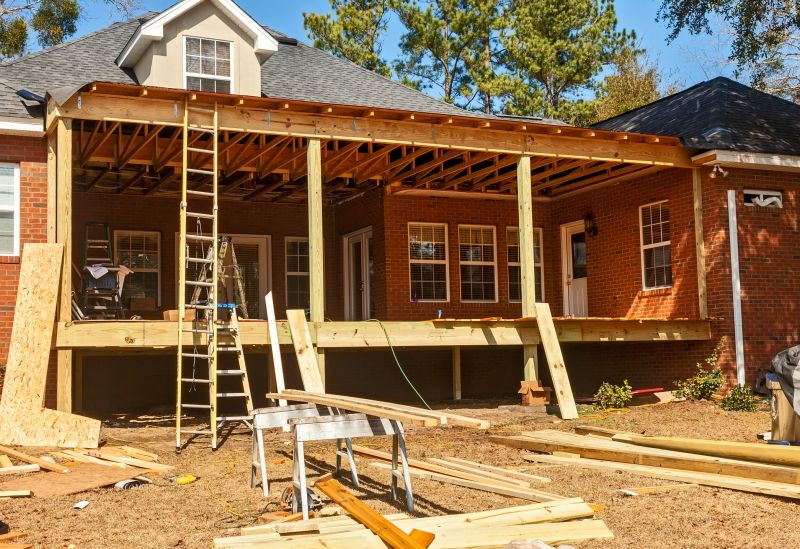
When homeowners search for information about popular wood types used for deck and porch construction, they are often trying to understand which materials will best suit their outdoor space. This topic typically relates to planning a new deck or porch, replacing an existing structure, or upgrading an older one. People want to know about the different kinds of wood available to ensure their project is durable, visually appealing, and suited to their specific needs. Understanding the characteristics of various wood types helps homeowners make informed decisions about longevity, maintenance, and overall appearance, which are key considerations when working with local contractors.
The choice of wood plays a significant role in addressing common problems faced in outdoor construction projects. For example, some wood types are more resistant to rot, insects, and weathering, making them suitable for regions with high humidity or rainfall. Others may require more maintenance but offer a distinctive look or texture that enhances curb appeal. Homeowners often have specific plans in mind, such as creating a low-maintenance outdoor living space or a decorative porch area. Knowing the properties of popular wood types helps ensure the finished project meets expectations for longevity and aesthetics, and local contractors can recommend the best options based on regional conditions and project goals.
Properties of properties that typically come up when discussing wood types for decks and porches include the structure’s size, design, and intended use. For instance, larger decks or those supporting heavy furniture or hot tubs may require stronger, more durable woods. Residential properties with traditional or rustic styles might favor certain woods that develop a natural patina over time. Additionally, some homeowners seek specific colors or grain patterns to match their home’s architecture. Local service providers are familiar with these property features and can advise on which wood types are most suitable for different property styles and structural demands, helping homeowners achieve a balance between appearance and performance.
Ultimately, understanding popular wood types used for deck and porch construction connects directly to selecting the right materials for a specific project. Homeowners should consider factors like climate, maintenance preferences, and the property's architectural style when choosing wood. Local contractors play a vital role in guiding this decision-making process, offering expertise on which woods perform best in the local environment and how they can be integrated into existing or new outdoor spaces. By working with experienced service providers, homeowners can ensure their deck or porch is built with the appropriate wood type, resulting in a durable, attractive addition that enhances their property’s value and usability.
Fence and Gate Construction - building fences and gates involves similar framing, planning, and material selection skills as deck and porch projects, with an emphasis on durable wood types.
Outdoor Furniture Crafting - designing and constructing outdoor furniture requires knowledge of wood properties and finishing techniques, paralleling skills used in deck and porch building.
Pergola and Gazebo Design - creating structures like pergolas and gazebos involves planning and carpentry skills comparable to those used for decks and porches, often utilizing similar wood types.
Exterior Staircase Installation - installing outdoor staircases demands precise measurement and woodwork skills, aligning with the techniques used in deck and porch construction.
Patio Cover and Awning Projects - building patio covers and awnings involves structural planning and wood framing skills similar to those needed for decks and porches.
Landscape Timber and Retaining Wall Projects - constructing landscape features requires understanding of wood durability and planning, which are essential in deck and porch building tasks.
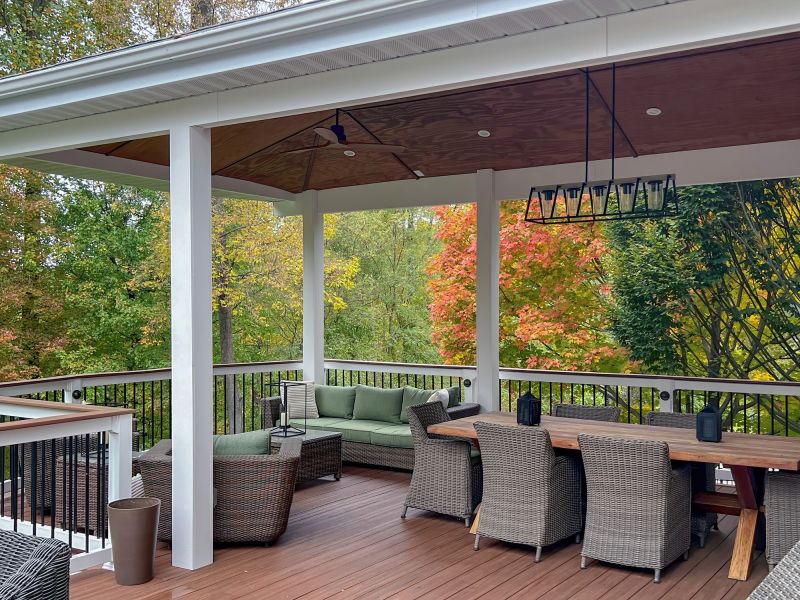
When comparing local contractors for deck and porch construction, it is important to consider their experience with similar projects, particularly those involving popular wood types used for outdoor structures. Contractors with a proven track record in working with various wood options can demonstrate familiarity with the unique properties and installation requirements of each material. Asking for examples of past work or references related to decks and porches built with different wood types can help gauge their expertise and comfort level with your specific project needs.
Clear written expectations are essential when evaluating service providers. A reputable contractor should be able to provide detailed descriptions of the scope of work, including the selection of wood materials, design considerations, and installation processes. This clarity helps ensure that both parties have aligned understanding of the project, reducing potential misunderstandings or surprises. Well-prepared proposals or estimates that outline the work involved can serve as valuable tools for comparison, highlighting how each contractor approaches the job and the level of professionalism they bring to the process.
Effective communication is a key factor when choosing a local contractor for deck and porch construction. Service providers who are responsive, transparent, and willing to answer questions about different wood types and construction methods tend to foster a smoother working relationship. Good communication also involves listening carefully to homeowner preferences and providing knowledgeable guidance on the advantages and limitations of various wood options. This collaborative approach helps ensure that the final result aligns with expectations and that any concerns or uncertainties are addressed promptly throughout the project.
Property owners often search for popular wood types used for deck and porch construction when they are planning practical projects around their homes and businesses. Local pros provide Deck and Porch Construction services for everyday jobs and straightforward project options.
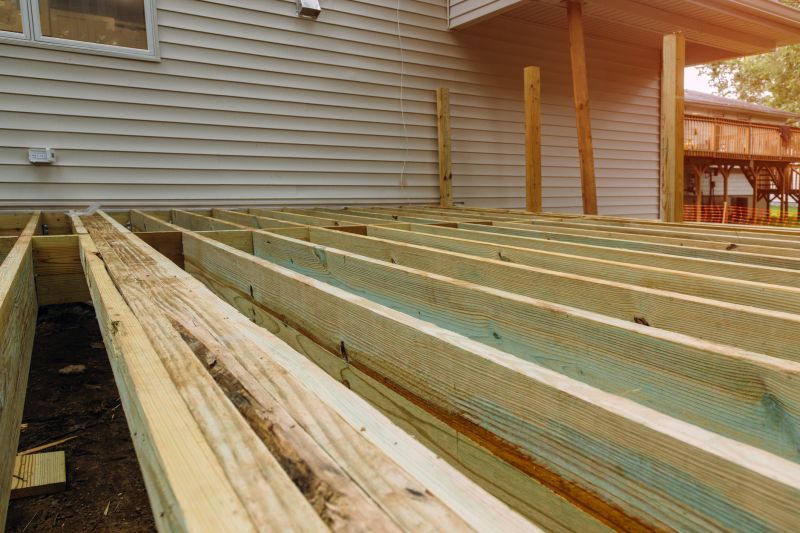
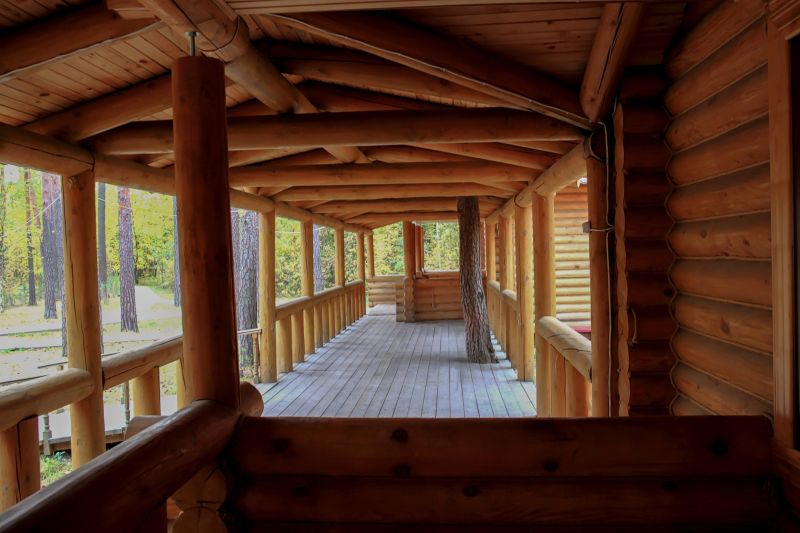
Many property owners exploring options for building or upgrading decks and porches often look into the different types of wood used in construction. Understanding which woods are popular can help them choose materials that match their style, durability needs, and budget. Homeowners might search for information on the best wood types to ensure their outdoor spaces withstand daily use and weather conditions, leading them to connect with local contractors experienced in working with these materials.
Local contractors specializing in deck and porch construction are well-versed in the characteristics of various wood types, such as pressure-treated lumber, cedar, redwood, and composite options. They can provide guidance on selecting the right wood for specific projects, ensuring that the finished outdoor space is both attractive and long-lasting. Property owners seeking expert advice or construction services can reach out to these service providers to help bring their outdoor living ideas to life with the appropriate wood choices.
What are some common wood types used for deck and porch construction? Popular wood types for decks and porches include pressure-treated lumber, cedar, redwood, and composite materials, which local contractors frequently work with to meet different design and durability needs.
Why do contractors often choose cedar for decks and porches? Cedar is favored for its natural resistance to decay and insects, making it a durable option that many local service providers recommend for outdoor structures.
Are composite materials considered a popular alternative to traditional wood? Yes, composite materials are increasingly used by local contractors for their low maintenance and long-lasting qualities, offering a different aesthetic than natural wood.
What factors influence the choice of wood type for a deck or porch? Factors such as climate, desired appearance, maintenance requirements, and budget typically influence the selection of wood types that local pros utilize for outdoor construction projects.
Can local contractors help with selecting the right wood for my project? Yes, local service providers can advise on the most suitable wood types based on the specific conditions and preferences for deck and porch construction.
Selecting durable wood types can help property owners choose materials that withstand foot traffic and weather exposure for long-lasting decks and porches, with local contractors providing expert guidance.
Considering wood appearance and grain allows property owners to match their deck or porch design with their home's aesthetic, while local service providers can recommend options that suit their style preferences.
Choosing low-maintenance wood options can reduce upkeep time and effort, and local contractors can advise on the best woods that require minimal treatment and care.
Evaluating wood cost and availability helps property owners plan their project within budget, with local pros able to suggest popular wood types that are readily accessible in the area.
If you are thinking about popular wood types used for deck and porch construction for a property, this guide is meant to help you understand this topic, the typical project types, and how different options might fit your plans.
When you are ready, you can use the quote form on this page to share a few details about your project. From there, local pros can review the basics and follow up with options that match what you have in mind.